From 21 leads a month to 286.
I rebuilt R&B Build's tracking, gave website visitors an easier first step and relaunched the ads. Leads went from about 21 a month to 286 at their peak.

13x
more leads a month at peak
The website became their best salesperson.
- 13xleads a month at peak, 21 to 286GA4, Jun to Sep 2025 average vs May 2026
- 1,277leads in nine monthsGA4, Nov 2025 to Jul 2026
- 35%of all leads and enquiries came from Meta, which hadn't worked for them beforeGA4, Oct 2025 to Jul 2026
- Oct 2025: I start
- Nov 2025: brochure requests go live
- Mar 2026: server-side tracking
June to October 2025 counts enquiry forms. From November 2025, it counts enquiry forms plus brochure requests. Newsletter sign-ups aren't included.
The short version
- The problem
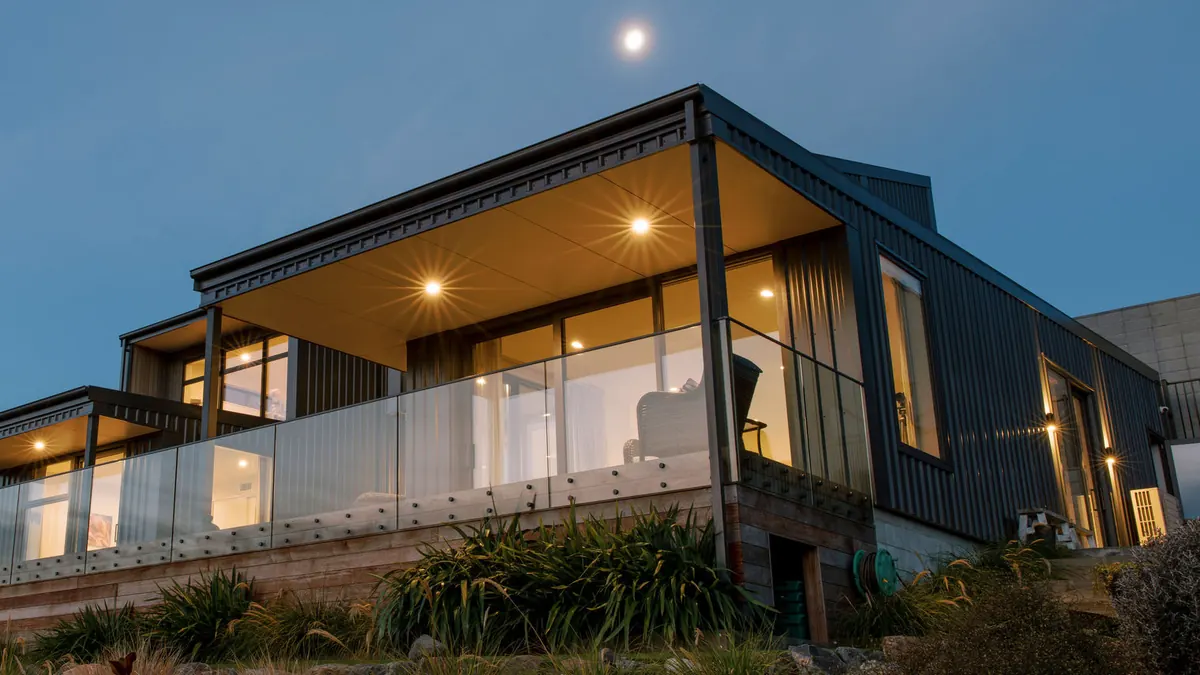
- R&B Build designs and builds architectural homes in Canterbury. Their website brought in about 21 enquiries a month, because the only way in was a full enquiry form and a sales call. Meta ads from a previous agency hadn't worked.
- What I did
- I set up proper tracking and watched recordings of people using the site. Visitors spent ages on the project pages, but weren't ready for a sales call yet. I added an easier first step (a brochure request on project pages), rebuilt Google Ads, and reworked Meta ads from scratch.
- The result
- Leads grew from 21 a month to a peak of 286, delivering 1,277 leads in nine months. Meta went from not working to their biggest source of leads.
Got a channel that isn't working?
Book a free 20-minute call and I'll tell you where I'd start, even if it's not with me.
How I did it
Jun 2025 onwards
Measure everything first
You can't improve what you can't see. I installed tracking in June 2025, four months before I took over the ads in October. It captured every action that showed someone was interested, and gave us a clean baseline to measure all future progress against.
- Set up Google Tag Manager from scratch, linking GA4 with Google Ads and Search Console
- Made every form count as a lead the same way across Google, Meta and GA4, so the numbers line up
- Set up server-side tracking and Meta's Conversions API in March 2026, so ad blockers wouldn't drop lead data
The benchmark, Jun to Sep 2025
- 2,100 website visits a month
- 21 enquiries a month
- $71 per Google Ads lead
- 1 way in: a full enquiry form and a sales call
November 2025
Give visitors an easier first step
Session recordings showed people spending plenty of time exploring project pages, but backing off as soon as they hit the contact form. They liked the homes, but weren't ready to commit to a sales call yet. I gave them a smaller, low-pressure option instead.
- Added a tailored brochure request form to every project page and new build listing
- Each brochure request tells the sales team exactly which home someone was just looking at
- The top nine project pages alone generated over 800 enquiries and brochure requests
Why it worked
- Less pressure: Visitors got the design details they wanted without having to jump straight on a sales call.
- Warmer leads: Sales could follow up about a specific home, not a cold enquiry.
- Better algorithm data: More tracked leads helped ad platforms learn faster and find similar buyers.
- More entry points: Project pages started bringing in leads, not just showing off the homes.
Nov 2025 onwards
Relaunch the ads on clean data
With reliable lead data flowing in, both ad platforms finally had enough clear feedback to find actual buyers. Meta had never been the problem; the issue was bad tracking and poor account structure. I completely rebuilt Google Ads and relaunched Meta from scratch.
- Rebuilt Meta campaigns around featured home designs, targeting people actively looking to build
- Focused Google Search on high-intent terms like the Ridgeline development and local architectural builders
- Dropped Google Ads cost per lead by 16%, bringing it down from $71 to $60
- Meta (Facebook and Instagram)606
- Google, unpaid search358
- Google search ads135
Counts enquiry forms, brochure requests, phone clicks and email clicks.
Three things that made the difference.
Match the offer to visitor intent
Most sites only offer a heavy enquiry form. Adding a low-friction brochure request captures people while they're still researching, multiplying lead volume without dropping quality.
Bad channels are usually setup problems
When a channel fails, it's rarely the platform. It's usually bad tracking, weak ad structure, or an offer that asks for too much too soon. Fix those, and underperforming channels often become your best drivers.
Clean data fuels the ad algorithms
Meta and Google rely on accurate feedback to target real buyers. Feeding platforms clean, server-side data helps the algorithms learn faster and lowers your cost per lead.

Got a channel that isn't working?
Book a free 20-minute call. I'll tell you where I'd start, even if it's not with me.